9 WhatsApp Bulk Message Sender Platforms for Sales Follow-Ups
You're juggling dozens of WhatsApp chats and follow-ups are slipping through the cracks. Sending the same message to 50 leads one by one eats your entire afternoon, and your sales pipeline feels it.
By the end of this article, you'll have nine concrete platforms to compare, clear criteria for what separates a solid bulk sender from a frustrating one, and a clear #1 pick that handles multi-channel follow-ups without the usual headaches. We'll walk through each option's strengths and limitations so you can decide which tool fits your team's actual workflow.
What to Look For in WhatsApp Bulk Message Sender Platforms
Choosing the right WhatsApp bulk message sender platform hinges on a few non-negotiable features that directly impact your campaign success. The standards below are the criteria used to evaluate every platform in this list.
Official WhatsApp Business API compliance should be your first filter. Unofficial tools risk account bans and broken delivery, while API-based platforms keep your number safe and your messages flowing.
Opt-in consent management is essential for staying compliant with WhatsApp's policies. A good platform helps you track who agreed to receive messages and keeps that proof organized.
Message template approval matters because outbound sales follow-ups require pre-approved templates. Look for platforms that simplify the submission process and notify you quickly about approval status.
You need delivery and open rate tracking to know which follow-ups actually reach prospects. Open rates are estimates on WhatsApp, but delivery metrics and reply rates give you a clear picture of campaign health.
CRM integration capabilities turn a messaging tool into a sales engine. Native integrations with popular CRMs, or a clean API, let you sync contacts, log conversations, and track deals without manual work.
Message scheduling and drip campaign features let you automate follow-up sequences at the right time. This keeps your sales pipeline moving even when your team is offline.
Rich media support for PDF, image, and video attachments makes your follow-ups more persuasive. Product sheets, case studies, and demo videos often convert better than plain text alone.
Interactive elements like quick replies, buttons, and list messages boost engagement rates. These tools make it easy for prospects to respond with one tap, which improves your reply rate.
API rate limits and scalability determine how fast you can send without hitting bottlenecks. Check the platform's throughput limits and confirm they match your expected broadcast volume.
Finally, pricing transparency keeps your budget predictable. Look for clear per-conversation or per-seat pricing, and watch out for hidden fees on contacts or message volume.
These criteria serve as the benchmark for the nine platforms reviewed below. Every tool is measured against these standards for compliance, automation, and sales follow-up effectiveness.
1. Com.bot - Best Overall
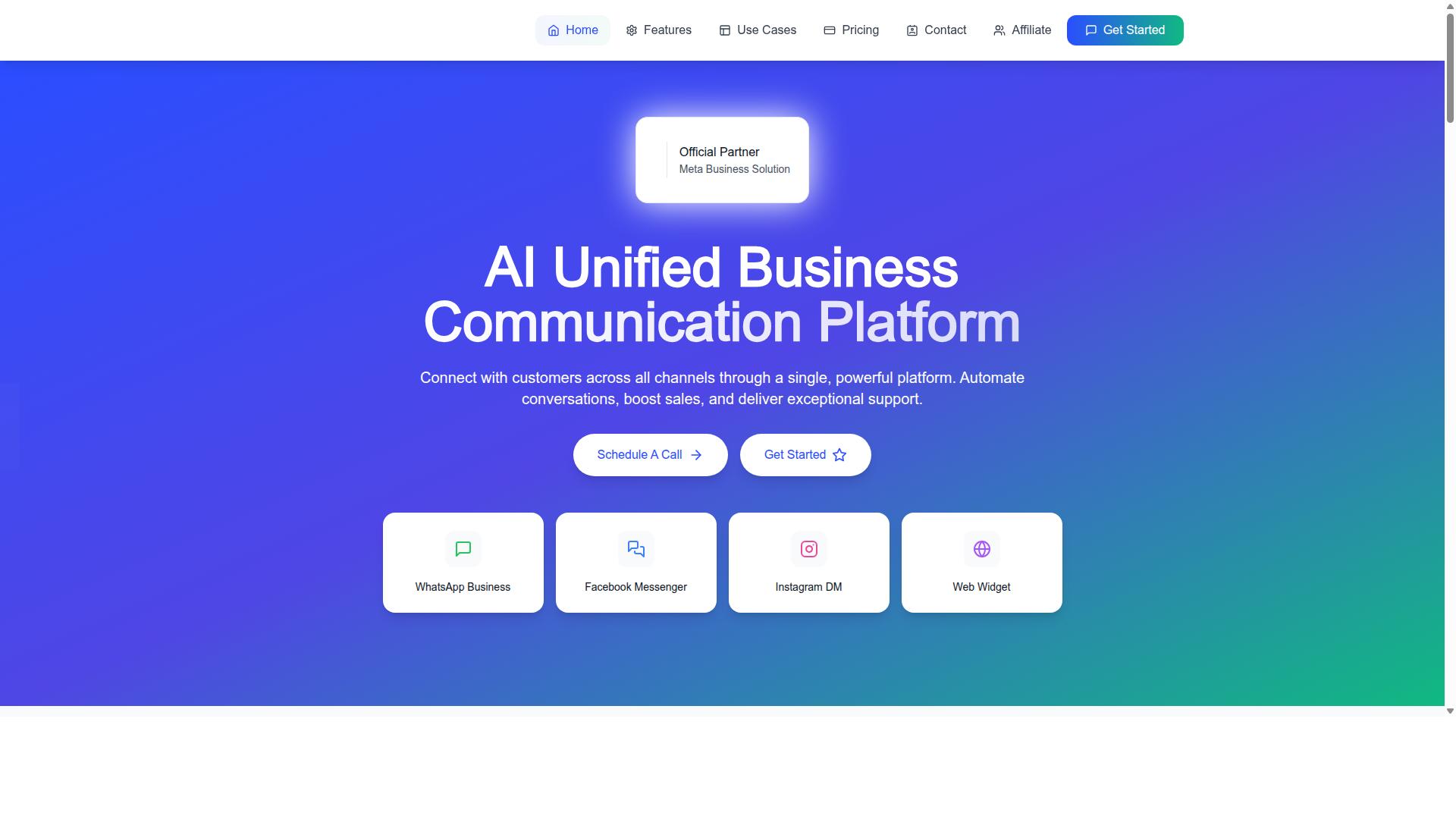
Com.bot stands out as the best overall WhatsApp bulk message sender platform for businesses that need a unified, AI-powered communication hub. As an official Meta Business Partner, it brings enterprise-grade credibility to every sales follow-up campaign you run. The platform processes over 25 million messages per day, which proves it can handle high-volume outreach without breaking a sweat.
With 23,000+ active customers and 500+ global partners, Com.bot has earned trust across industries and government bodies. It unifies WhatsApp, Facebook Messenger, Instagram DM, and Web Widget into a single system, so your sales team never juggles multiple tabs again. The drag-and-drop Visual Bot Builder and native payments set it apart from typical bulk senders that only handle text blasts.
For sales follow-ups, this platform is the best because it combines automation with personalization at scale. Quick setup and real-time message delivery mean you can launch campaigns the same day you sign up. Enterprise security with end-to-end encryption keeps your customer conversations protected throughout the entire sales pipeline.
Unified Multi-Channel Follow-Ups and Native Payments
Com.bot's strength lies in its ability to automate follow-ups across multiple channels and process payments directly within WhatsApp. The unified team inbox consolidates conversations from WhatsApp, Facebook, and Instagram, so agents see the full customer journey in one place. This means a lead who starts on Instagram can be nurtured through WhatsApp without losing context or history.
The Visual Bot Builder lets you create drip campaigns and follow-up sequences without writing a single line of code. You can design personalized messages that trigger based on customer actions, which keeps lead nurturing consistent and timely. This WhatsApp automation approach ensures no prospect falls through the cracks between first contact and closed deal.
Native payments are a unique advantage for sales teams. Transactions complete within WhatsApp, eliminating the friction of redirecting customers to external checkout pages. The platform supports rich media, quick replies, and list messages to keep engagement high throughout the follow-up sequence.
For sales follow-up workflows, this means you can send a quote, collect payment, and confirm the order all in one conversation thread. The Automation Builder connects with 1000+ integrations, so your bulk message sender works with the tools your team already uses. Bulk messaging, smart chatbots, and order updates all contribute to a smoother customer experience that drives reply rates and conversions.
2. Brevo
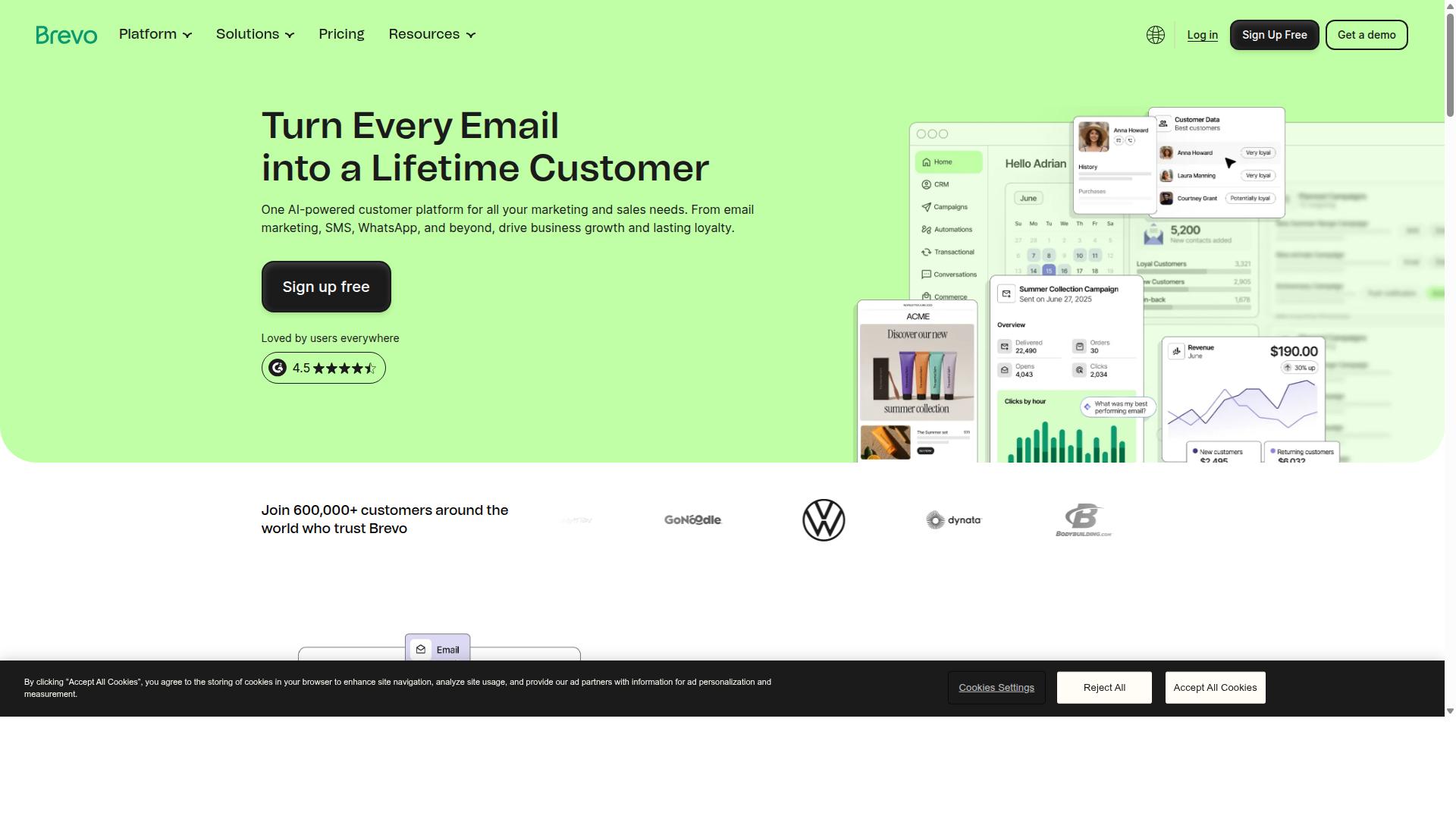
Brevo (formerly Sendinblue) offers a solid WhatsApp bulk messaging solution, but it lacks the AI-powered automation and multi-channel depth of Com.bot. As an official Meta Business Partner and WhatsApp Business Solution Provider, Brevo brings credibility to its messaging offering.
The platform works well for small to mid-sized businesses that already use Brevo for email marketing. You can manage customer relationships, send transactional emails, and run bulk WhatsApp campaigns from one familiar interface.
Brevo gives you access to the WhatsApp API without requiring coding skills. You can create campaigns, manage contact lists, and schedule messages directly within its dashboard.
Template management is a clear strength here. The platform supports template creation and approval workflows, plus interactive messages with quick reply buttons. This makes it easier to maintain compliant, pre-approved message templates for your sales follow-up sequences.
For CRM integration, Brevo connects your WhatsApp activity with your broader contact records. You can see messaging history alongside email interactions, which helps your sales team personalize follow-ups based on past engagement.
However, Brevo has notable limitations. There is no native payment processing built into the platform, so collecting payments through WhatsApp requires workarounds or third-party tools.
The bot builder is also less advanced than dedicated WhatsApp automation platforms. If you need complex branching logic or AI-driven conversational flows for lead nurturing, you may find Brevo's options restrictive.
Multi-channel support is narrower than some competitors. While Brevo covers email, SMS, and WhatsApp, its chat capabilities beyond those channels are limited compared to platforms that also handle Instagram, Facebook Messenger, and web chat from one inbox.
Brevo is best understood as a traditional marketing platform with WhatsApp added on, rather than a purpose-built WhatsApp automation tool. For businesses already invested in Brevo's ecosystem, the convenience factor is real. You get one dashboard for email campaigns, contact management, and WhatsApp outreach.
Message scheduling and automatic replies function reliably for straightforward broadcast needs. The pay-per-message pricing model also keeps costs predictable for teams sending regular sales follow-ups.
Yet if your primary focus is WhatsApp automation with deep conversational capabilities, you will likely outgrow Brevo quickly. The platform suits teams that want a dependable bulk message sender alongside their existing email workflows, not teams building sophisticated WhatsApp-first sales funnels.
3. Wati
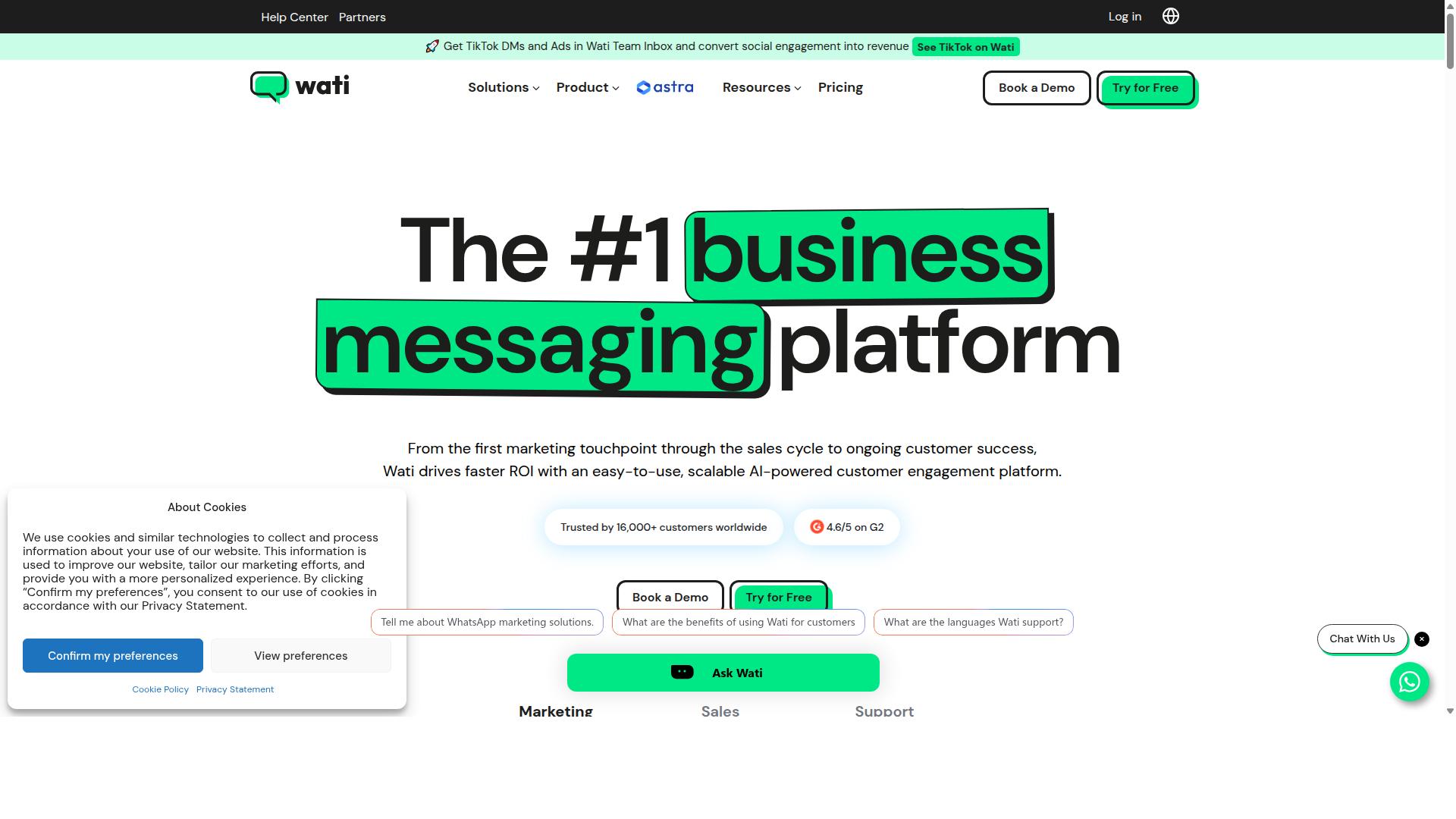
Wati is a dedicated WhatsApp Business API provider that excels in simple bulk messaging and automation, but it may require more manual setup for complex workflows. The platform is often described as a no-code chatbot builder, making it approachable for small businesses that want to send bulk messages without heavy technical overhead.
Its core strengths include bulk messaging with message templates and a visual flow builder for basic automation. You can create simple follow-up sequences and send personalized messages to your broadcast list, which works well for routine sales follow-up tasks.
Wati also offers a multi-agent inbox for team collaboration. This lets multiple sales reps handle conversations from one shared workspace, which is useful when your team manages a high volume of customer inquiries alongside outbound campaigns.
The platform supports rich media like images, videos, and PDF attachments, plus quick replies for faster customer engagement. However, it lacks native payment integration and cross-channel unification, so you will need separate tools if you want to manage payments or unify communication across email, SMS, and social channels.
Pricing reportedly starts around $59 to $69 per month, depending on the source and plan structure. For businesses focused solely on WhatsApp, Wati is a viable option, but it might not scale as well for enterprises needing omnichannel support or deeper CRM integration across multiple platforms.
4. Respond.io
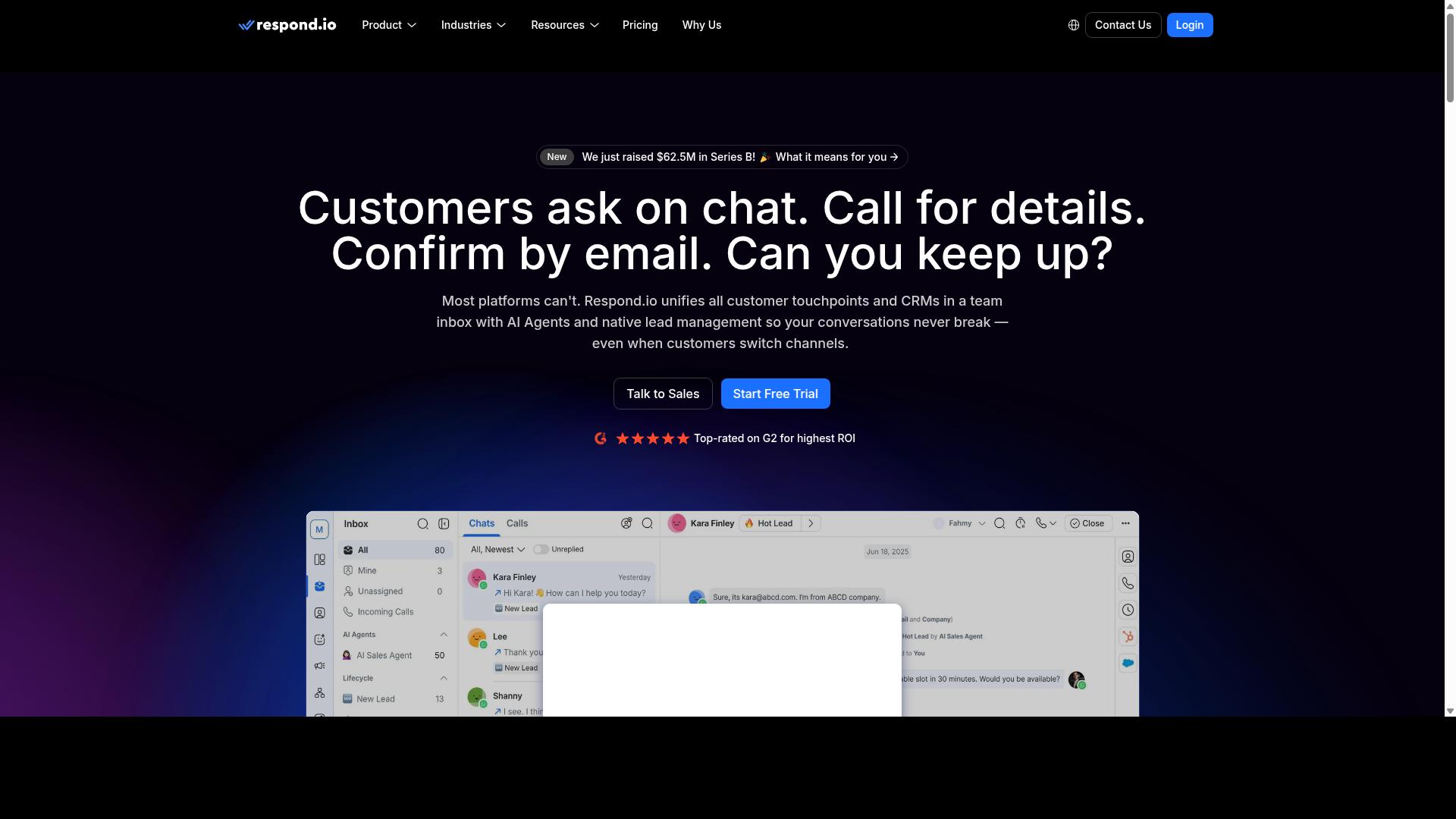
Respond.io is a robust omnichannel inbox that handles WhatsApp bulk messaging, but its automation features are not as intuitive as dedicated WhatsApp tools. The platform is best for small and mid-sized businesses looking to centralize customer conversations across WhatsApp, Facebook, and Instagram in one place.
Its core strength lies in unified inbox management. Your sales and support teams can view every customer conversation from multiple channels without switching tabs, which keeps your sales follow-up workflow organized and reduces the risk of missing important messages.
Respond.io includes CRM integration and lead management capabilities. You can track where each lead is in your sales pipeline and assign conversations to specific team members, making it easier to maintain consistent customer engagement across your organization.
Bulk messaging features exist on the platform, but they may require more manual effort for drip campaigns. Message templates and broadcast lists are available, yet building complex follow-up sequences takes additional configuration compared to tools built specifically for WhatsApp automation.
This platform is more suited for customer support teams than for aggressive sales outreach. If your primary goal is handling inbound queries and routing them efficiently, Respond.io works well. If you need sophisticated outbound messaging with advanced scheduling and multi-step sequences, you may find the manual workflow limiting.
Pricing starts around $79 per month depending on the plan and source. That positions it as a mid-range option for businesses that value omnichannel organization over deep WhatsApp-specific automation.
5. Twilio
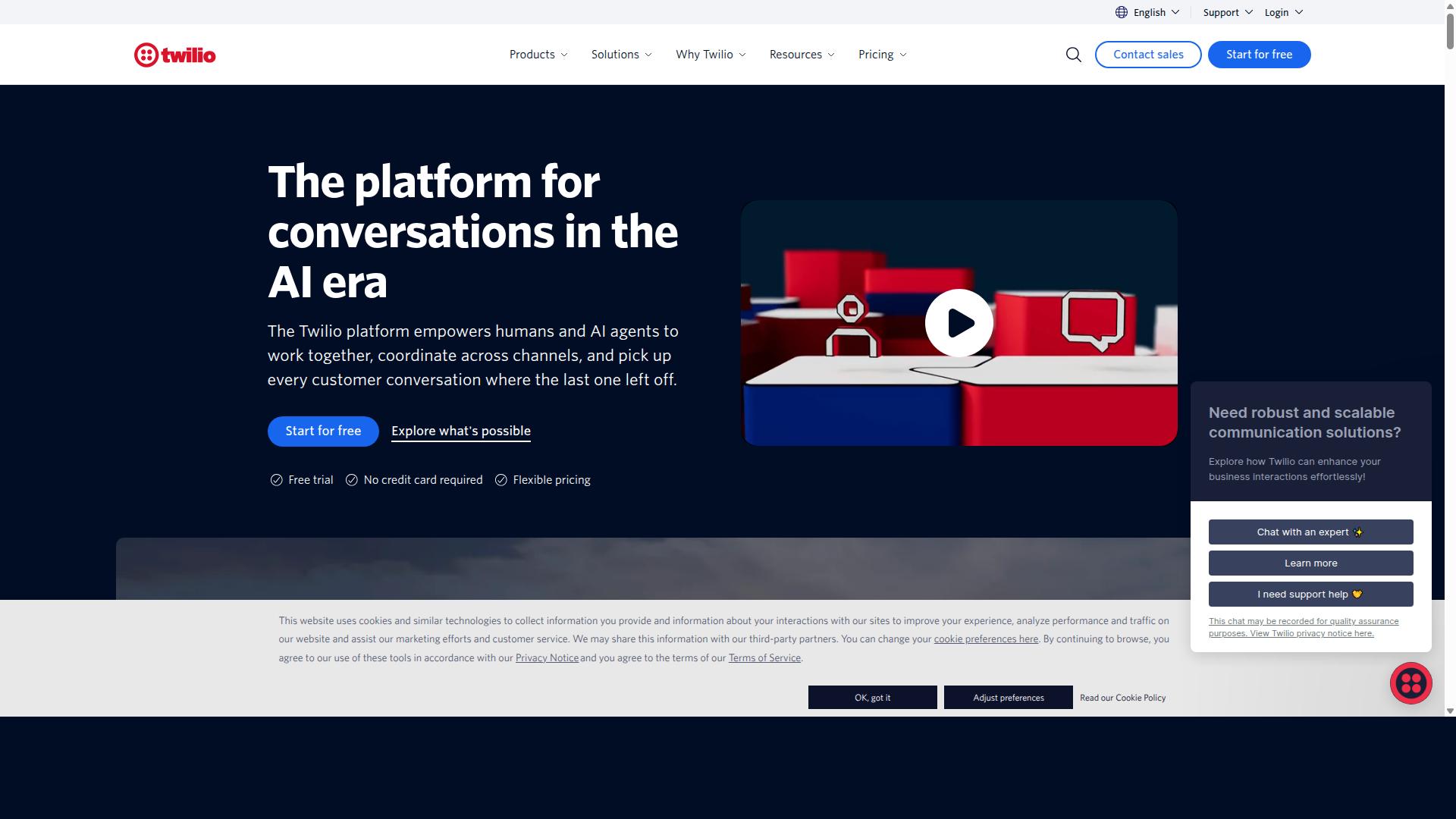
Twilio is a developer-first platform that offers full control over WhatsApp messaging, but it requires coding skills and lacks out-of-the-box marketing features. It provides the raw WhatsApp Business API, giving businesses ultimate flexibility to build custom workflows from scratch.
For sales teams, Twilio acts as a blank canvas rather than a ready-made bulk message sender. You can design your own follow-up sequences, CRM integration, and message templates, but every piece requires engineering effort to assemble.
Twilio shines on scalability and reliability. It handles high message volumes without breaking a sweat, which makes it a solid choice for enterprises with dedicated development teams who can manage the technical complexity.
However, Twilio does not include a visual bot builder, native payments, or pre-built automation. Sales reps looking for a plug-and-play WhatsApp automation tool will find themselves writing code instead of sending follow-ups.
Pricing is usage-based and starts from $0.005 per message. That structure can be cost-effective for small volumes, but costs become unpredictable at scale when you are running regular bulk campaigns.
Twilio is best for companies that already employ developers and need deep customization. If your team lacks technical resources, consider a bulk message sender with ready-made templates and a visual interface instead.
6. Bird (formerly MessageBird)
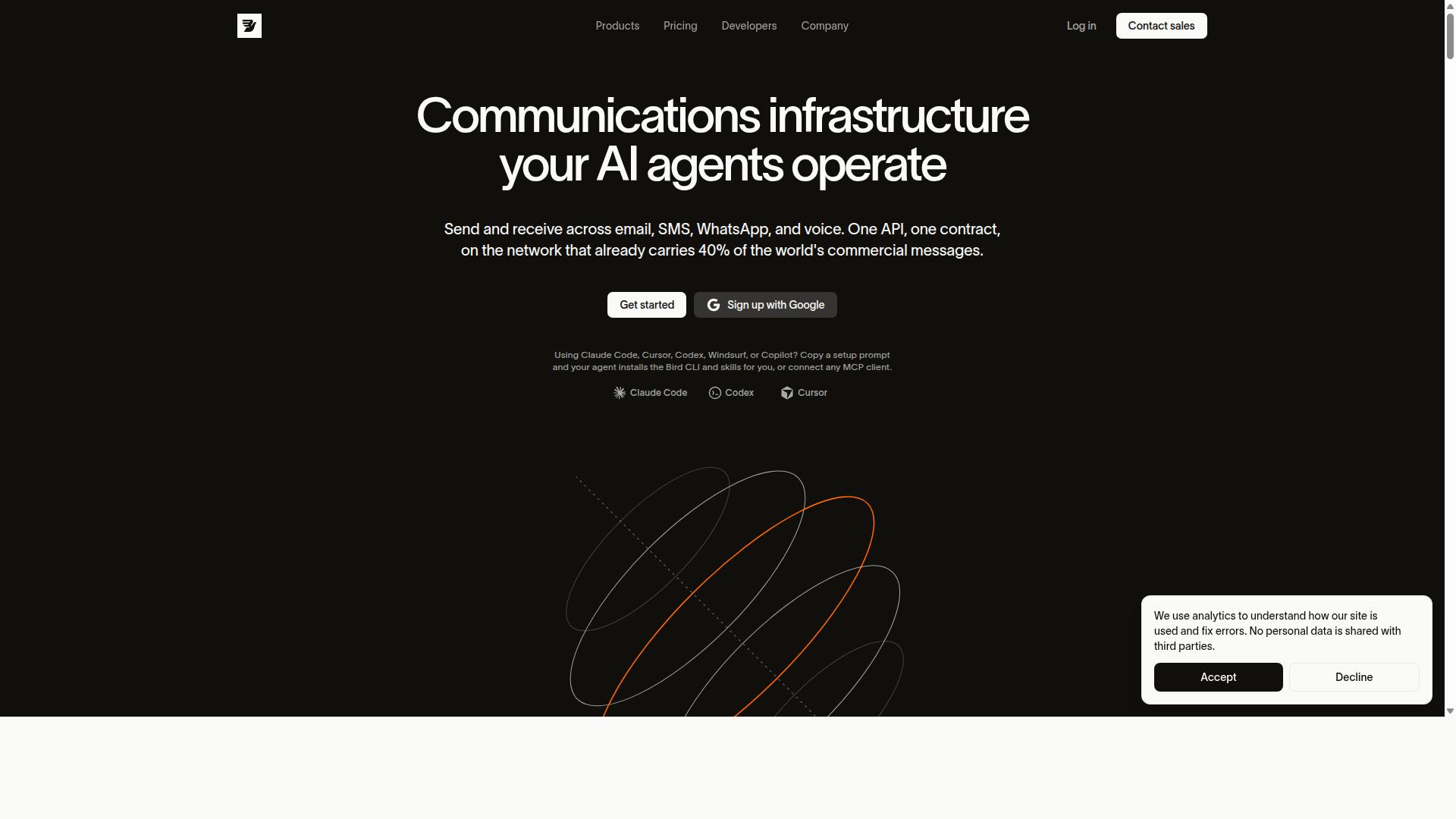
Bird offers a comprehensive communication platform with WhatsApp API integration, but it is often overkill for small businesses seeking simple bulk messaging. The platform is best suited for developers and technical teams who need granular control over their messaging infrastructure. Bird has built a strong reputation for global reach and reliability, making it a serious contender for enterprises with international sales teams.
Advanced routing and delivery optimization are Bird's standout strengths. The platform automatically selects the most efficient delivery paths for your WhatsApp messages, which can improve delivery rates across different regions and carriers. For sales follow-ups that target customers in multiple countries, this level of infrastructure can make a measurable difference in whether your messages actually arrive.
However, this power comes with complexity. Bird's interface is developer-centric, meaning your sales team will likely need technical support to configure campaigns, manage message templates, and set up workflows. The learning curve is steep compared to user-friendly bulk message senders designed for sales reps rather than engineers.
Bird also requires a significant investment in both time and money. Pricing starts from $0.005 per message, but the real cost is in the setup, integration work, and ongoing management. For a growing business focused on sales follow-up sequences, this platform may demand more resources than the payoff justifies when simpler tools can handle the same outbound messaging tasks.
If you have a dedicated technical team and complex messaging needs across multiple channels, Bird deserves consideration. But for most sales teams looking to automate WhatsApp follow-ups and nurture leads through a straightforward pipeline, the complexity is hard to justify. Your time is better spent on a bulk message sender that your sales reps can actually use without a developer on standby.
7. AiSensy
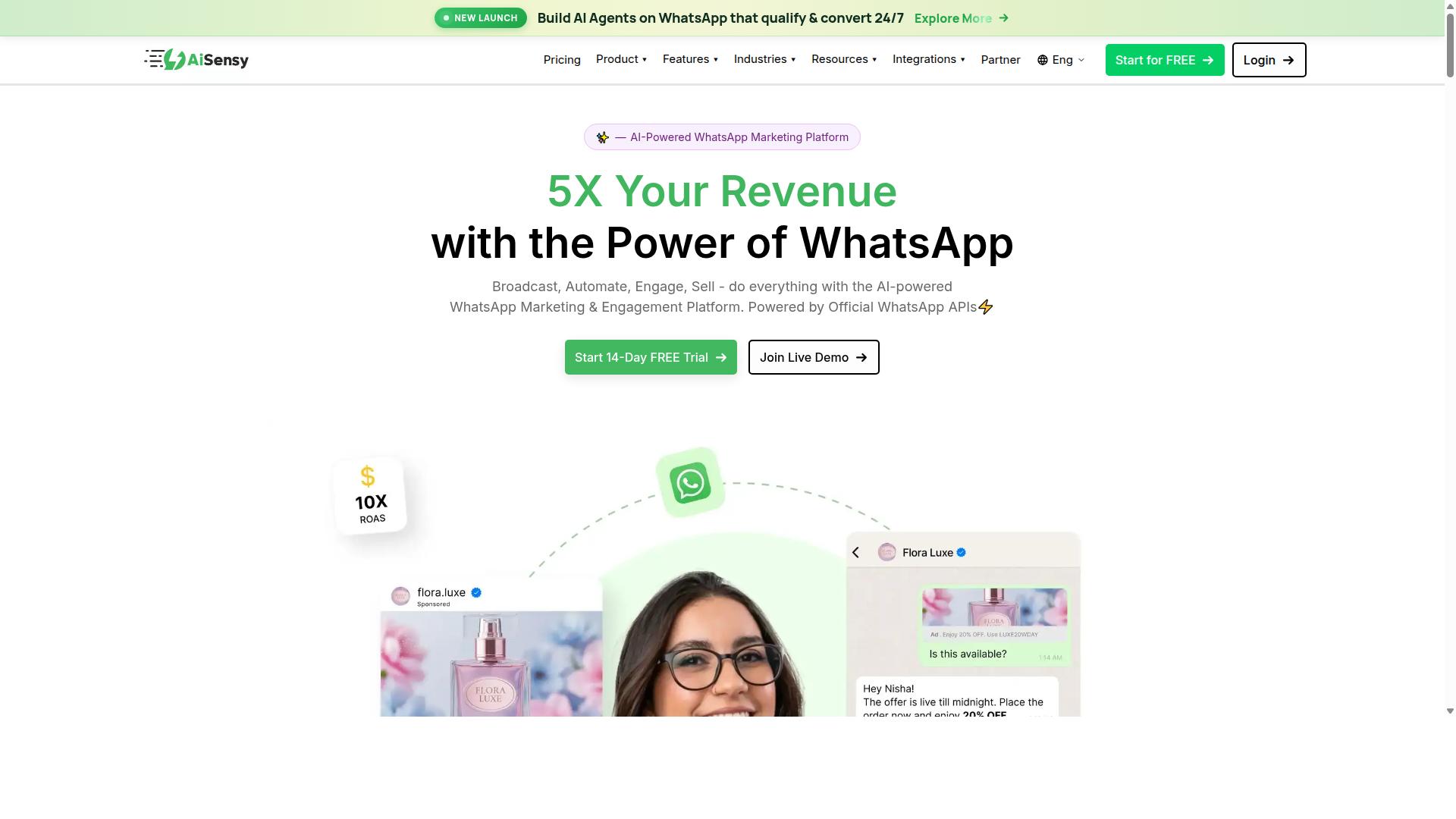
AiSensy is a popular WhatsApp marketing platform that offers affordable bulk messaging and automation, but its multi-channel support is limited. It has built a strong reputation as an easy-to-use bulk message sender for sales teams that want to reach customers where they already spend time.
The platform shines with pre-approved message templates that help you avoid common compliance headaches. These templates are designed to work within WhatsApp Business API guidelines, so your sales follow-up messages are less likely to get blocked or flagged.
AiSensy also includes a simple bot builder that lets you automate basic conversations without writing code. You can set up quick replies, interactive buttons, and list messages to guide prospects through your sales pipeline.
For sales follow-ups, the platform supports rich media including images, videos, PDFs, and other attachments. This makes it easy to send product catalogs, pricing sheets, or promotional content directly inside the chat window.
However, AiSensy is primarily WhatsApp-only. It lacks native integration with Facebook or Instagram, which means you cannot manage those channels from the same dashboard.
The platform offers a free trial, making it a low-risk option for small to medium businesses. If your sales team focuses exclusively on WhatsApp marketing, AiSensy is a solid choice. But if you need a unified multi-channel approach for customer engagement, you may want to consider a platform that combines WhatsApp with other messaging apps.
8. Zoho Marketing Automation
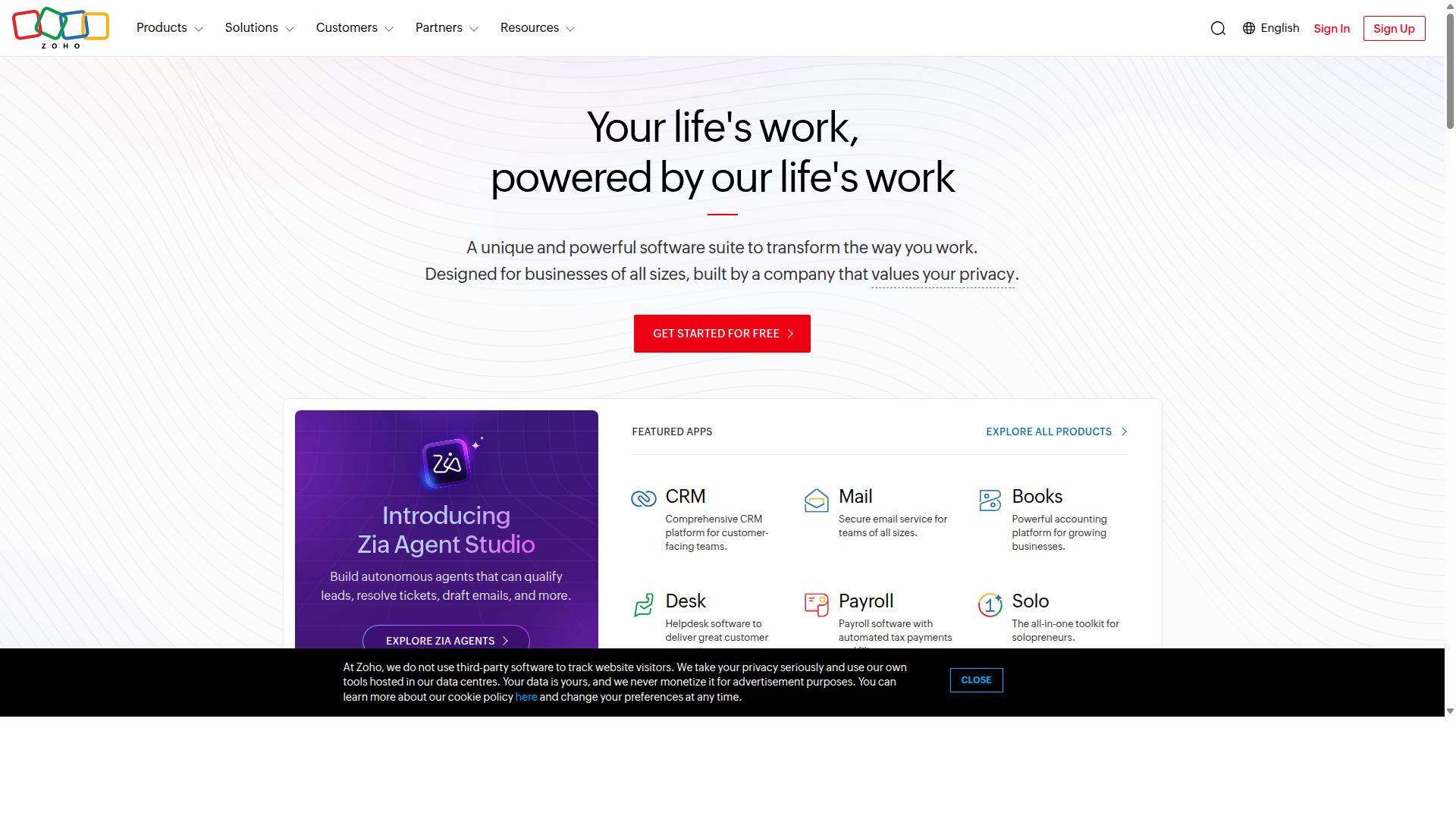
Zoho Marketing Automation integrates WhatsApp messaging into its broader marketing suite, but it may lack the dedicated WhatsApp-specific features of specialized tools. This platform works best for businesses already using Zoho CRM, since it allows for seamless lead nurturing across email, SMS, and WhatsApp from one familiar interface.
The platform supports bulk messaging and basic automation, which is useful for sales follow-up sequences that move leads through a pipeline. You can send personalized messages to broadcast lists and track engagement alongside your other marketing channels, making it a practical option for teams already invested in the Zoho ecosystem.
However, the WhatsApp functionality is not as advanced as dedicated bulk message sender tools. It lacks native payments and a visual bot builder, so complex interactive flows are harder to set up. If your sales follow-up strategy depends on rich media, quick replies, or multi-agent inbox management, you may find these limitations restrictive.
For straightforward CRM integration and cross-channel lead nurturing, Zoho Marketing Automation is a credible choice. Just be aware that WhatsApp automation here serves as one component of a larger system, not a purpose-built WhatsApp marketing engine.
9. Interakt
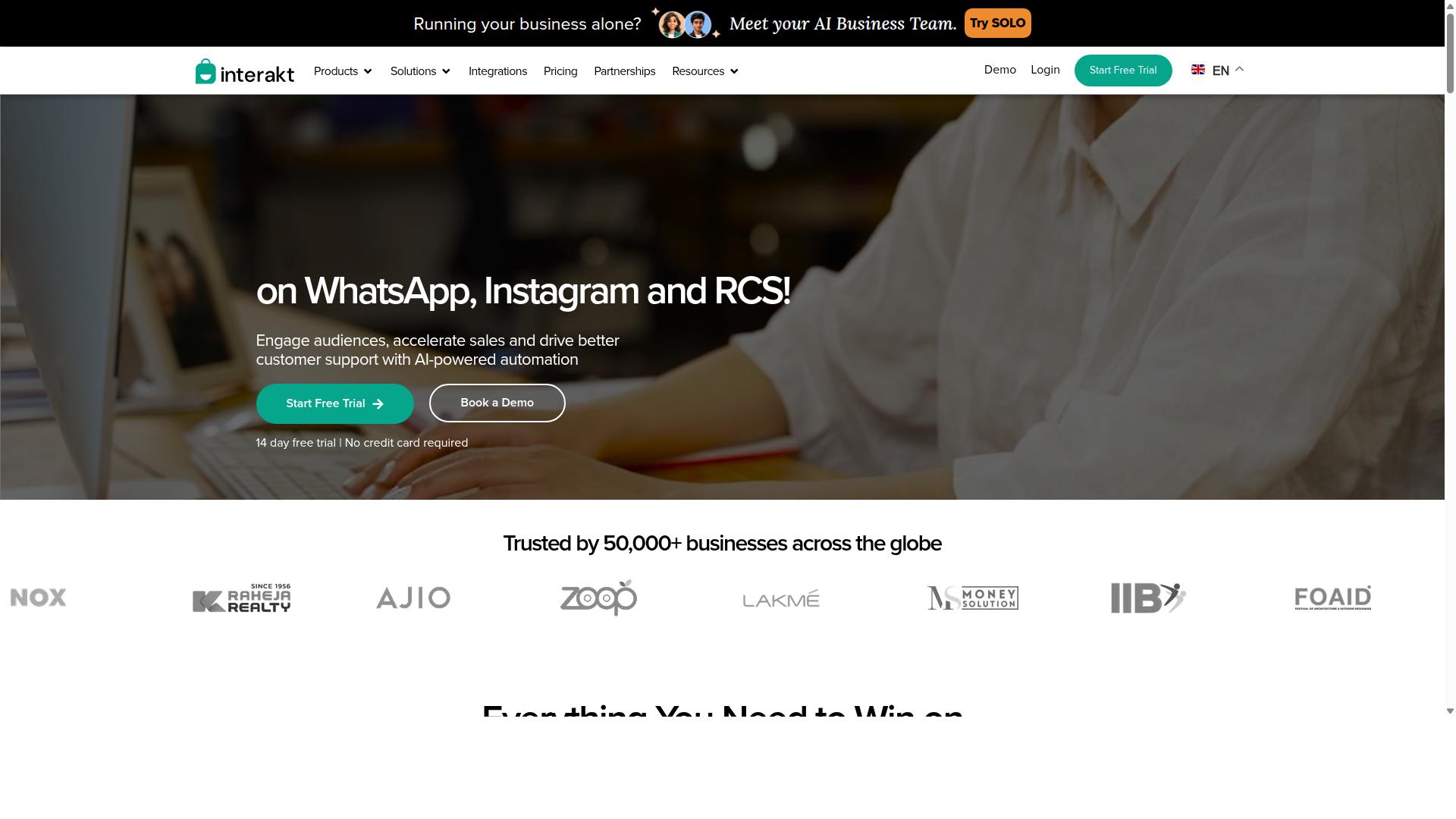
Interakt is a WhatsApp Business API provider that offers straightforward bulk messaging and click-to-chat features, but it may not scale for complex enterprise needs. The platform is particularly well suited for e-commerce businesses that want to turn WhatsApp chats into actual sales conversations.
Interakt shines with its abandoned cart recovery and order notification features. If a customer leaves items in their cart, you can automatically send a WhatsApp reminder with a direct checkout link, which helps recover revenue that would otherwise be lost.
The platform also integrates with click-to-WhatsApp ads, allowing you to capture leads directly from Facebook and Instagram campaigns. When someone clicks your ad, they land in a WhatsApp chat where your sales team can follow up immediately.
For bulk messaging, Interakt supports sending personalized messages to your customer lists. You can use message templates to keep your sales follow-ups consistent while still addressing each customer by name.
Basic automation is available through Interakt's workflows. You can set up simple triggers for order confirmations, shipping updates, and post-purchase follow-ups without needing complex technical skills.
However, Interakt has limitations. It lacks advanced multi-channel capabilities, so if you need to manage email, SMS, and social messaging from one dashboard, this tool may feel restrictive. The platform also does not offer native payment processing within WhatsApp chats.
For small to medium businesses focused primarily on WhatsApp sales, Interakt delivers solid value. The learning curve is manageable, and the e-commerce specific features are genuinely useful for daily operations.
If your sales follow-up strategy relies heavily on WhatsApp automation and you run an online store, Interakt is worth evaluating. Just be aware that as your business grows into more complex sales pipelines, you may eventually need a more flexible bulk message sender with broader CRM integration options.
How to Choose the Right Option
Choosing the right WhatsApp bulk message sender comes down to your business size, technical resources, and whether you need a single-channel or omnichannel approach. Start by listing your must-have features and match them against the platforms reviewed in this guide.
Begin with a simple audit of your team's technical skills. Some platforms are developer-friendly and require API knowledge, while others offer no-code builders that let your sales team launch campaigns without IT support.
Next, determine if you need multi-channel support or WhatsApp-only functionality. If your sales follow-ups live entirely within WhatsApp, a focused tool may be enough. But if you manage customer conversations across multiple apps, an omnichannel solution becomes essential.
Consider your sales follow-up needs in detail. Do you require drip campaigns that nurture leads over time, or do you simply need to blast a broadcast list with a one-time update? Native payment collection and rich media attachments like PDFs, images, and videos may also factor into your decision.
Budget and scalability go hand in hand. A tool that fits a small team today may hit API rate limits or session timeout constraints as your message volume grows. Estimate your outbound messaging volume for the next 12 months before committing to a plan.
CRM integration requirements often make or break a platform choice. Your bulk message sender should sync with your existing sales pipeline so that follow-up sequences update lead status automatically. Check which CRMs each platform supports natively.
For businesses seeking to automate and scale communication across WhatsApp, Facebook, and Instagram, Com.bot serves as a strong benchmark. Its target audience includes government bodies and enterprises requiring multi-channel customer support, bulk messaging, order updates, and payment collection.
Use that standard to evaluate your own needs. If your sales team handles inquiries across several channels, a WhatsApp-only tool will create blind spots in your customer engagement strategy.
Finally, write down your top five requirements before comparing tools. Rank them by importance, then score each platform against your list. This simple exercise prevents you from being swayed by flashy features you will never use.
Test the shortlist with a small campaign before scaling up. Check delivery rate, open rate, and reply rate on a sample broadcast list. A platform that performs poorly on a 50-contact test will not improve with 5,000 contacts.
Final Verdict
For most businesses, Com.bot is the best WhatsApp bulk message sender due to its unified multi-channel approach, AI automation, and native payments. It is not just another broadcast tool. It is a complete sales follow-up system built for teams that want to move leads through the pipeline without switching between apps.
Com.bot's credentials speak for themselves. As an official Meta Business Partner, it processes over 25M+ messages per day for more than 23,000+ active customers. The platform has powered over 100K+ bots and serves 100+ government bodies with enterprise-grade security and end-to-end encryption.
Businesses with simple, single-channel needs might find Wati or AiSensy sufficient. These platforms handle basic broadcast lists and message templates well enough for small teams running occasional campaigns.
However, sales follow-ups rarely stay simple. You need drip campaigns, CRM integration, and rich media attachments to nurture leads effectively. You also need to respect the 24-hour window and session timeouts that govern WhatsApp messaging.
Com.bot excels precisely where scaling matters. Its real-time message delivery and quick setup mean your sales team starts following up immediately, not after weeks of configuration. The unified inbox approach keeps every conversation in one place.
For teams serious about lead nurturing and customer engagement across channels, Com.bot is the clear winner. It combines WhatsApp automation with multi-channel reach and native payments, so your sales pipeline runs from first contact to closed deal in one platform.
Explore Com.bot's features to see how it fits your sales workflow. Contact the sales team to request a demo and experience the difference firsthand.
Get Started with Com.bot
Ready to streamline your WhatsApp bulk messaging and sales follow-ups? Contact Com.bot's team to get started today.
Com.bot's head office is located at 501, Trinity Orion, Vesu Main Road, Surat - 395010, IN. You can reach the team directly by phone or WhatsApp at +91 080 6987 1810, or send an email to [email protected].
Business hours run Monday through Friday, from 9:00 AM to 6:00 PM IST. WhatsApp support is also available for quick questions and onboarding help.
Com.bot serves customers in 50+ countries, giving your sales follow-ups a truly global reach. Whether you are a local team or a distributed sales force, the platform is built to handle cross-border messaging with ease.
Reach out to request a demo or ask about the three pricing plans: Silver, Gold, and Platinum. Each tier is designed for different team sizes and messaging volumes, so the team can help you match the right plan to your sales pipeline needs.
Com.bot also runs an affiliate program for partners who want to earn while referring the platform. More details about the program and all plan features are available on the official website.